
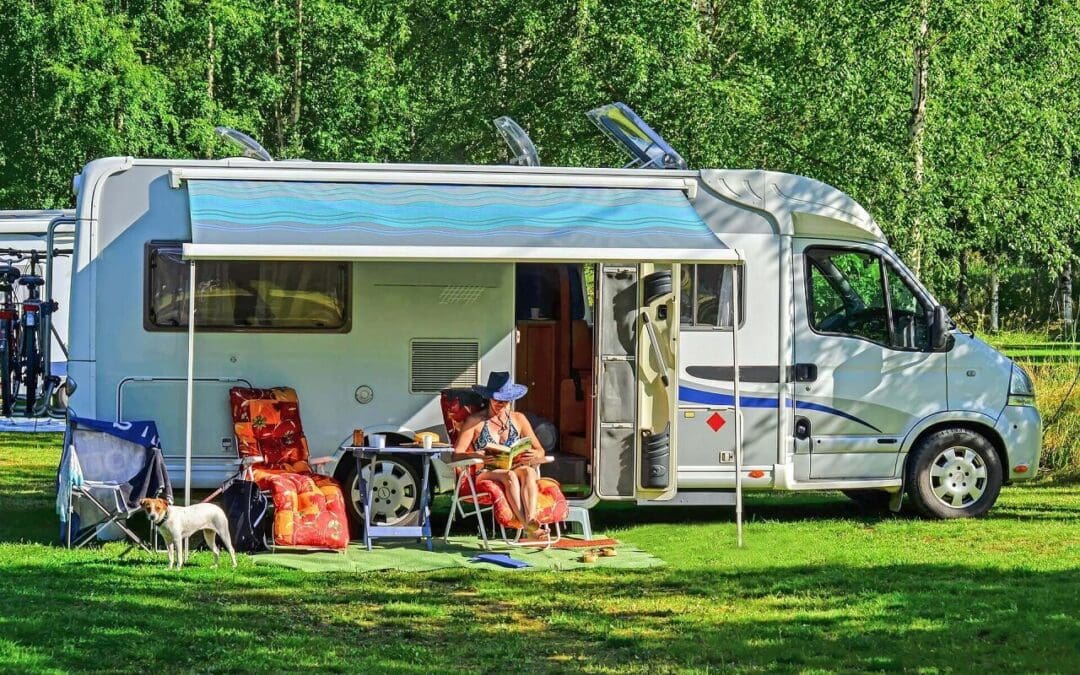
Living on the road offers a kind of freedom that’s hard to find anywhere else, waking up to a new view, setting your own schedule, and taking your home wherever the road leads. But safe RV living requires more than a good attitude and a full tank of gas. Whether you’re a weekend warrior or a full-timer, building the right habits around safety, maintenance, and road awareness makes every mile more enjoyable and every stop more secure.
Safe RV Living Starts With Knowing Your Rig
Before any trip, a thorough pre-departure walkthrough is one of the most important habits you can build. Check tire pressure and tread wear, test exterior lights, inspect your hitch and safety chains if towing, and confirm slide-outs are fully retracted and doors are latched. It takes ten minutes and could prevent a breakdown that ruins an entire trip. Understanding your RV’s systems is equally important. Propane powers most cooking, heating, and water heating, and a leak or improperly lit appliance creates a dangerous situation. Always turn the propane off at the tank before driving, and install both a propane detector and a carbon monoxide alarm inside the rig. These are non-negotiable for safe RV living, particularly when running the furnace or stove overnight.
Fire Safety and Emergency Preparedness
Fires spread fast in an RV. The compact space combined with propane, electrical systems, and soft furnishings creates a high-risk environment. A working smoke detector, carbon monoxide alarm, and at least one accessible fire extinguisher are essential. Check them regularly and replace batteries before every season. Every person in your RV should know the emergency exit plan. Know where the emergency window exits are and how to use them, and practice with anyone traveling with you. Keep shoes and a flashlight within reach at night.
Maintenance Habits That Support Safe RV Living
Deferred maintenance is the fastest way to turn a great trip into a nightmare. Roof seams, window seals, and slide-out seals should be inspected at least twice a year. Water intrusion is the most common and most damaging RV issue, often going undetected until mold or structural damage has already set in. A simple inspection and resealing once or twice a year prevents thousands in repairs. For motorhomes, engine and chassis maintenance follow the same schedule as any vehicle; oil changes, coolant levels, brake inspections, and belt condition all matter. For towable rigs, know your tow vehicle’s payload and towing capacity and never exceed it. An overloaded rig is one of the most dangerous and preventable situations on the road.
Fresh water and sanitation systems need consistent care, too. Sanitize your freshwater tank at least once a season, use RV-safe toilet paper, and don’t let black or gray tanks sit too long before dumping. These habits keep your systems healthy and your living environment comfortable.
Road Awareness and Smart Campsite Choices for Safe RV Living
Driving an RV demands a different mindset than driving a car. Know your rig’s height before driving under any bridge or overpass, use an RV-specific GPS that accounts for your vehicle’s dimensions, and always allow more stopping distance than you think you need. High crosswinds are particularly dangerous in larger rigs; slow down, and if conditions are severe, pull off and wait it out rather than pushing through.
Where you camp matters for both safety and peace of mind. Well-established campgrounds and RV parks with good reviews offer security that roadside or unvetted spots simply can’t. Trust your instincts; if a location feels off, move on. Lock your RV when you leave, use a hitch lock if towing, and be mindful of what’s visible through the windows. Most RVers never have a security issue, but building these habits into your routine keeps it that way.
Safe RV living is being prepared. With solid maintenance habits, a good understanding of your systems, and smart decisions on and off the road, you will spend less time worrying and more time doing exactly what you came out here to do.
Frequently Asked Questions (FAQs)
What safety items should every RV have?
At a minimum, every RV should have working smoke detectors, a carbon monoxide alarm, a propane leak detector, and at least one accessible fire extinguisher. A well-stocked first aid kit, a roadside emergency kit, and a flashlight within easy reach at night round out the essentials.
How often should I inspect my RV’s roof and seals?
Inspect roof seams, window seals, and slide-out seals at least twice a year. After any significant weather event, do a quick check for any damage. Catching a small seal failure early costs almost nothing to fix compared to discovering water intrusion months later.
Is it safe to drive an RV in bad weather?
It depends on the conditions and your rig. High crosswinds are particularly dangerous for larger motorhomes and tall travel trailers. When in doubt, pull over and wait.
What’s the best way to stay safe when parked?
Choose established campgrounds or well-reviewed RV parks when possible, lock all entry points when you leave or sleep, use a hitch lock on towable rigs, and keep valuables out of sight.
How do I keep my freshwater system safe?
Sanitize your fresh water tank at the start of each season, flush it thoroughly before use, and use a quality inline water filter when filling from campground spigots.
RV Home Inspections provides RV inspections in Houston, Texas. Contact us to schedule an appointment.