
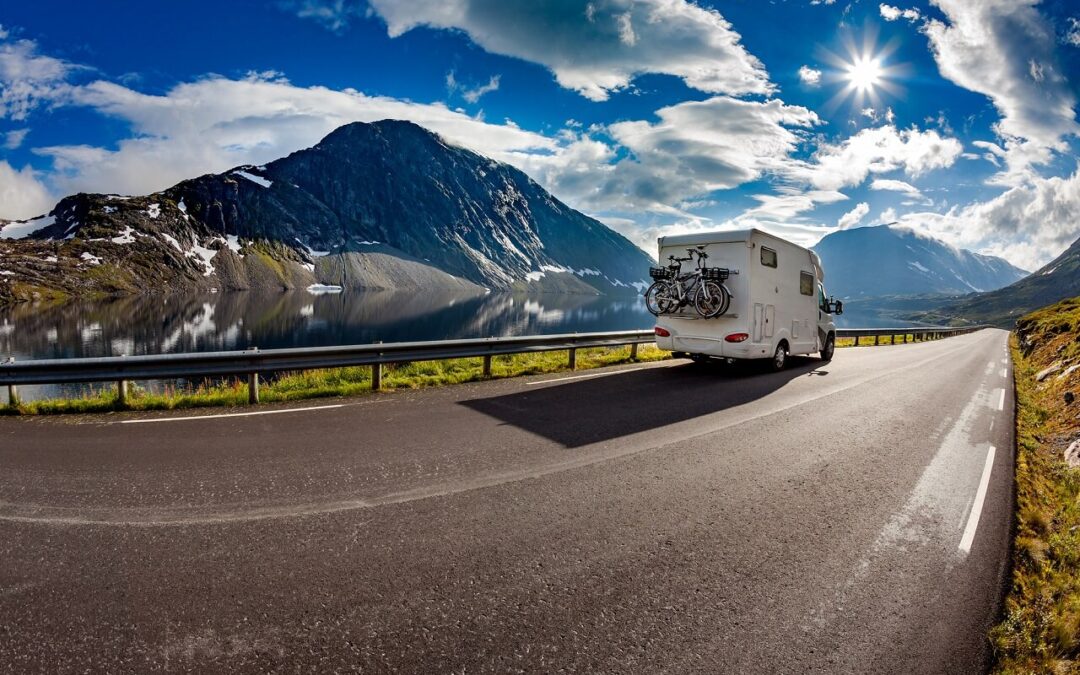
There’s something undeniably exciting about loading up an RV and driving toward the horizon with an entire country to explore. A cross-country RV trip is one of the most rewarding travel experiences. But a successful journey doesn’t happen by accident. The difference between a trip that creates lifelong memories and one that becomes a logistical nightmare usually comes down to how well you’ve prepared before the wheels start turning.
Planning Your Cross-Country RV Trip the Right Way
Route planning is where every great cross-country journey begins. Rather than simply mapping the most direct path from point A to point B, think about what you actually want to experience along the way: national parks, coastal highways, mountain passes, small towns, or iconic landmarks. Building a flexible itinerary that identifies key destinations while leaving room for spontaneous detours strikes the right balance between structure and freedom. Research campground availability along your route early and have backup options in mind for nights when your first choice isn’t available.
Prepare Your RV Before a Cross-Country RV Trip
An RV that isn’t properly prepared for a long journey can turn an exciting adventure into a stressful series of mechanical problems. Before departing, conduct a thorough inspection of every major system. Having your RV serviced by a qualified technician before a cross-country trip is a worthwhile investment that identifies potential issues before they become roadside emergencies. Pack a well-stocked toolkit and a supply of commonly needed spare parts, such as fuses, light bulbs, sewer gaskets, and tire repair equipment, so minor issues can be handled on the road without derailing the trip.
Budgeting Smart for the Road Ahead
A cross-country RV trip can be an incredibly cost-effective way to travel, or an expensive one, depending on how well you manage the financial side. Fuel is typically the largest variable expense on a long trip and worth estimating carefully based on your RV’s fuel consumption and the distance you plan to cover. Campground fees vary widely, from free dispersed camping on public lands to full-hookup resort sites that rival hotel prices. Mixing campground types throughout the trip keeps accommodation costs reasonable without sacrificing comfort entirely. Building a contingency fund for unexpected repairs or medical needs is an essential part of any responsible cross-country budget.
The Best Destinations for a Cross-Country RV Trip
Part of the beauty of a cross-country journey is that the destinations are entirely yours to define. The classic northern route along Highway 2 offers dramatic landscapes through Montana, North Dakota, and the Pacific Northwest. The southern route through Texas, New Mexico, and Arizona offers desert scenery, warm temperatures, and iconic stops such as Big Bend National Park and the Grand Canyon’s South Rim. The middle of the country brings the Rocky Mountains, Great Plains, and the Missouri Ozarks, each with its own distinct character and appeal. Whatever route you choose, mixing iconic landmarks with lesser-known stops discovered along the way is what gives a cross-country trip its unique character. It makes it feel genuinely personal rather than just a checklist of famous destinations.
Staying Safe and Healthy on a Long Journey
The physical demands of long-distance RV travel are easy to underestimate. Extended driving days are tiring, and fatigue behind the wheel is a genuine safety risk. Limiting daily driving to a comfortable distance, taking regular breaks, and never pushing through tiredness to make a scheduled destination keeps driver fatigue from becoming a hazard. Staying hydrated, eating well, getting adequate sleep, and building in rest days where you don’t move the RV at all gives your body the recovery time it needs to sustain weeks of travel without burning out before the trip is half over.
Frequently Asked Questions (FAQs)
How long does a cross-country RV trip typically take?
The answer depends entirely on your route, pace, and how many stops you want to make. A coast-to-coast trip covering roughly three thousand miles could be completed in as little as two weeks at a fast pace, but most experienced RVers recommend four to six weeks to truly enjoy the journey without feeling rushed.
How much does a cross-country RV trip cost?
Total costs vary widely based on fuel prices, campground choices, dining habits, and activity spending. A general estimate for a four-week cross-country trip for two people in an owned RV runs between three thousand and eight thousand dollars, covering fuel, campgrounds, food, and activities. Choosing free or low-cost camping options, cooking the majority of meals in the RV, and avoiding expensive resort campgrounds keeps costs toward the lower end of that range.
What is the best time of year for a cross-country RV trip?
Late spring through early fall offers the most favorable weather across most of the country for travel. Summer brings the longest days and warmest temperatures, but also the highest campground demand, so advance reservations are essential.
How do I find campgrounds along my cross-country route?
Apps and websites like Campendium, The Dyrt, Recreation.gov, and RV Life Trip Wizard are widely used by RVers for campground research, reviews, and booking. Recreation.gov handles reservations for federal campgrounds, including national parks, while state park systems have their own individual booking platforms.
Do I need any special permits or licenses for a cross-country RV trip?
Most RVs don’t require a special license beyond a standard driver’s license, but this depends on the size and weight of your rig and varies by state. Larger Class A motorhomes may require a non-commercial Class B or Class C license in some states. Checking the regulations for each state on your route before departing ensures you’re properly licensed and compliant throughout the journey.
RV Home Inspections provides RV inspections in Houston, Texas. Contact us to schedule an appointment.